Bullying Prevention
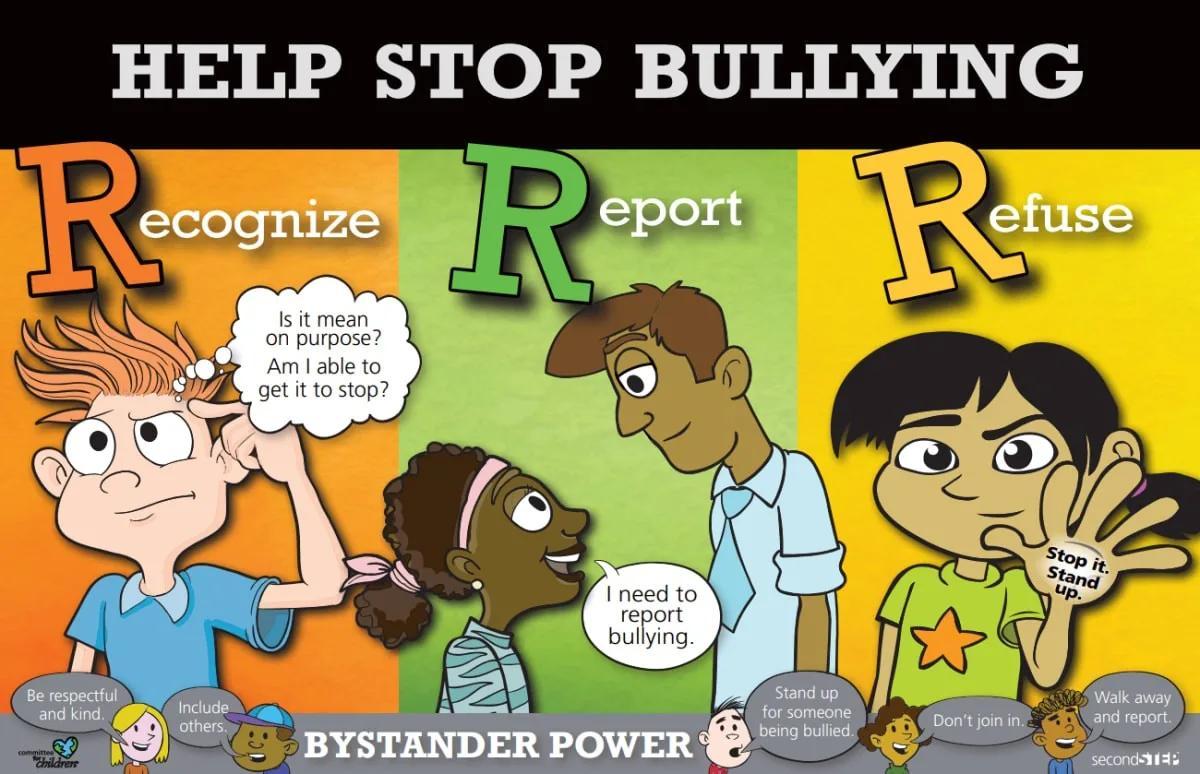
At Valentine Elementary, we are committed to creating a safe and supportive learning environment for all students. October is National Bullying Prevention Awareness Month, and throughout this month, students will participate in focused lessons about bullying prevention. These lessons help students learn to recognize, report, and refuse bullying behaviors. Just as with all classroom counseling lessons, I will email parents with an overview of the concepts covered so you can reinforce and support these important discussions at home.
Students are taught that the term bullying is a very serious word and one that is not to be used casually or incorrectly at school. Children often misuse the term when describing conflicts, accidents, or one-time unkind behaviors. To help them clearly understand, students are taught that bullying must meet three criteria:
-
Intentional: The mean behavior is done on purpose and meant to be hurtful.
-
Repeated: It happens consistently, not just once, twice, or even three times.
-
One-Sided: One person is targeting another, without both parties engaging equally.
If both students are being unkind to each other, that is considered conflict or mean behavior—not bullying. By learning this distinction, students are better equipped to describe situations accurately and seek appropriate help.
Students are also taught that when they recognize possible bullying, they must report it to an adult. It is the role of the adult to determine whether the behavior meets the definition of bullying or if it falls into another category, but reporting ensures that problems do not continue unchecked. In addition, students practice ways to refuse bullying behaviors by using assertiveness skills they learn early on through the Second Step program.
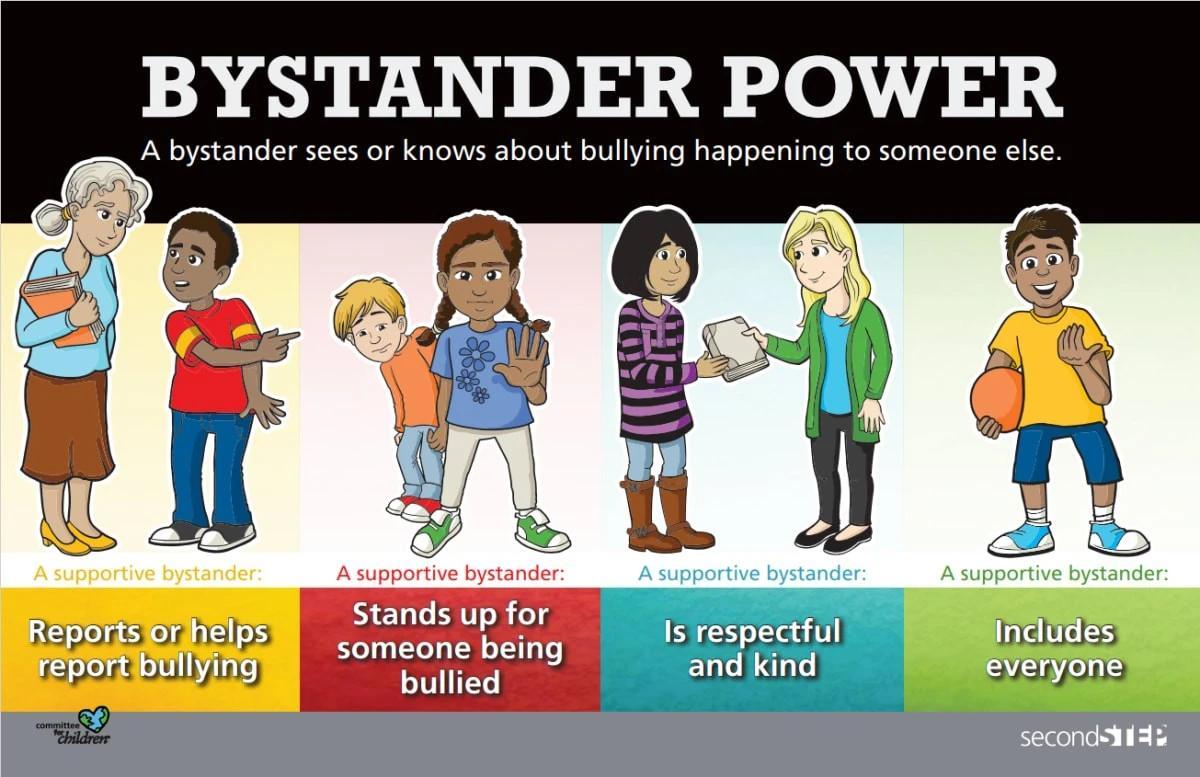
Another important concept covered is Bystander power. Students learn that the bystander—the person who witnesses bullying—often has the most power to stop it. By speaking up, offering support to the person being targeted, or getting help from an adult, bystanders can make a significant difference in ending bullying behaviors.
For our fourth and fifth grade students, lessons also address cyberbullying, helping students understand that online behaviors carry the same weight and consequences as in-person actions. They learn safe and respectful online practices, as well as the importance of telling an adult if they or someone they know experiences cyberbullying.
Together, we can build a school culture where kindness, empathy, and respect are the norm. By reinforcing at home what your child learns at school—whether about recognizing bullying, using assertive strategies, or understanding the power of bystanders—you help ensure that they develop the tools to stand up for themselves and others in a positive way. Thank you for partnering with us in supporting your child’s social and emotional growth, and in making Valentine Elementary a safe and welcoming place for all students.